What hoovering actually is
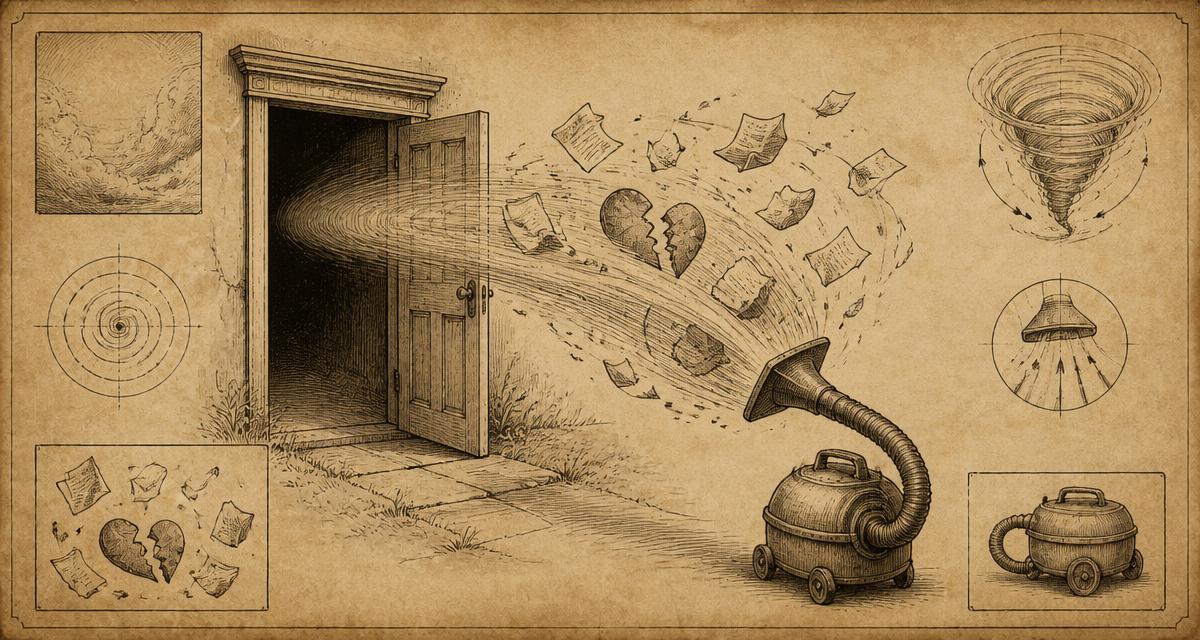
Hoovering is any attempt to pull you back into contact after distance has started to work. The name comes from the vacuum brand: the point is suction, not repair. It can look like an apology, a crisis, a casual question about a shared item, or an accusation designed to make silence feel unbearable.
The content varies; the function does not. A hoover tests whether the channel between you is still open. Because it usually arrives after a stretch of no contact, it tends to land at the moment you have just started to feel steadier — which is exactly why it feels like fate rather than pattern.
Hoovering is not proof of love, and it is not proof of change. It is information about the cycle. Sustained changed behaviour over months looks slow and unremarkable. A hoover looks urgent, warm, and time-limited.
Seven hoover types and the messages they use
The warm apology
"I've been doing a lot of thinking. You didn't deserve any of that." Warmer and more specific than any apology you got during the relationship. Note what is missing: a plan, and any cost to them.
The emergency
"I'm in hospital." "Something happened, I need you." Crisis bypasses your judgement by making a reply feel like basic decency. If it is real, someone other than you can respond.
The logistics excuse
"Do you still have my charger?" "I need to send you a form." A low-stakes opener whose only purpose is to reopen the thread. Handle genuine logistics in one written message with no follow-up questions.
The nostalgia drop
A photo from a good week, a song, "three years ago today." It targets the memory of the honeymoon phase rather than the end of the relationship.
The provocation
An accusation, a lie about you, or something aimed at a friend. Anger is a reply too, and correcting the record still counts as re-entering the channel.
The third party
A mutual friend, sibling, or new partner who "just wants to check you're okay" and mentions how badly they are doing. The message is theirs; the messenger is borrowed.
The future promise
Therapy they have booked, a move, a ring, a changed job. Promises are cheap because they cost nothing until the date arrives — and the date usually moves once you reply.
Why hoovering works even when you know better
A discard ends the cycle mid-loop. Your nervous system is still waiting for the repair phase that normally follows a rupture, so the hoover does not feel like a new event — it feels like the resolution you have been braced for.
Intermittent reinforcement makes the rare warm message far more powerful than a consistently warm one would be. The unpredictability is the mechanism, not a side effect.
There is also timing. Hoovers cluster around anniversaries, holidays, the point where you stop replying, and the moment you post something that suggests you are moving on. Recognising the timing as a pattern removes most of the eerie significance.
Telling a hoover from real change
Pace
Hoovers are urgent — reply now, meet tonight, decide today. Real change is slow, unglamorous, and unbothered by your timeline.
Accountability
A hoover apology names your reaction ("I'm sorry you felt…") or spreads blame. Accountability names the specific behaviour and does not ask for anything in return.
Cost
Real change costs them something visible over months: therapy they attend, contact they give up, money or arrangements they alter. A hoover costs one message.
Consistency under no reward
Does the changed behaviour continue while you stay silent? Behaviour that stops the moment it fails to get a response was strategy, not growth.
Write your hoover policy before the message arrives
Step 1: Decide the default now
Choose one default response while calm — usually no reply. Decisions made at midnight, three weeks in, are made by withdrawal rather than by you.
Step 2: Define the logistics exception
List the only topics that get a reply: children, housing, money, legal. Everything else is unanswered. Keep replies written, factual, and delayed by hours rather than minutes.
Step 3: Set up a screening layer
Mute rather than delete if you may need records. Route their messages to a folder you check weekly, and ask one trusted person to hold the details you would otherwise reread.
Step 4: Save the evidence, not the feeling
Screenshot and file each hoover with the date. A list of eleven near-identical returns is the most persuasive argument against the twelfth.
Step 5: Plan the 48 hours after
A hoover restarts craving whether or not you reply. Book company, movement, and sleep for the two days that follow, and use the after-discard toolkit for the acute hours.
If you already replied
Replying is not a failure and it does not reset your progress to zero. The loop reopened; it can close again, and each cycle you name in advance is easier to sit out than the last.
Do the practical part first: stop the thread rather than ending it well. You do not owe a closing message, and a final explanation is itself a form of contact that invites a response.
Then note what the hoover used — warmth, crisis, guilt, nostalgia — and add it to your list. Hoovers repeat their material, and the same opener rarely surprises you twice.
Frequently asked questions
What is hoovering in a narcissistic relationship?
Hoovering is the attempt to pull you back into contact after a breakup or discard — an apology, a crisis, a nostalgic message, or a provocation. It is named after the vacuum brand because the purpose is suction: reopening the channel rather than repairing the relationship.
How long after a discard does hoovering usually start?
There is no fixed clock, but hoovers commonly appear once distance starts working — often a few weeks in, and again around anniversaries, holidays, and any public sign that you are moving on. The timing tracks your stability rather than their reflection.
Does hoovering mean they still love me?
It means the channel is being tested, not that anything has changed. Love shows up as sustained, costly, consistent behaviour over months. A hoover is a single burst of intensity that usually fades once contact resumes.
Should I respond to a hoover?
If there is nothing logistical to settle, silence is a complete answer. Where children, housing, money, or legal matters are involved, reply in writing, keep it to facts, and delay the response by hours so the urgency does not set the terms.
Will they keep hoovering forever?
Hoovers typically arrive in waves and thin out as they stop producing a response, though a late one months or years later is common. Logging each attempt with a date makes the pattern visible and makes the next one easier to sit out.
What if the hoover is a genuine emergency?
Treat safety seriously without becoming the responder. Emergency services, family, or a mutual contact can act, and asking someone else to verify keeps you out of the loop while the situation is handled.
Next read
How to Break a Trauma Bond: A Step-by-Step Plan
A practical sequence — distance, anchors, evidence, grief — plus what withdrawal feels like week by week.
The usual next step for readers on this page.
Take the 2-minute self-check for a tailored pickMore in the trauma bonding series
Trauma bonding hub
The full picture: what a trauma bond is, the cycle that creates it, and the steps that loosen it.
Signs of a trauma bond
A checklist of the patterns that show up in trauma-bonded relationships, with what each sign actually indicates.
How to break a trauma bond
A practical sequence — distance, anchors, evidence, grief — plus what withdrawal feels like week by week.
Trauma bond vs love
Side-by-side comparisons of intensity and intimacy, so you can name what you are actually feeling.
After a discard
Why the bond often feels strongest after they leave, and how to get through hoovering and no-contact slips.
With a parent
How childhood trauma bonds form, why they persist into adulthood, and boundaries that work with family.
If you feel unsafe
Trauma bonds can exist alongside real danger. If you are at risk right now, contact local emergency services. Region-specific hotlines and safety planning are on our crisis page.
Find crisis support